Critically Questioning Generative AI in Dialogue with Students
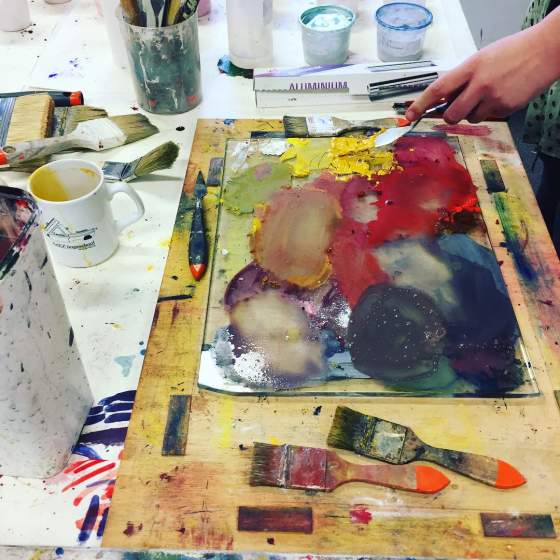
At IN_, research is valued as an envisioning method that embraces physicality and coincidence, rather than relying on quick digital fixes like CTRL+Z. Authenticity and identity are found in the interplay between hand and body. However, with the rise of AI in the early 2020s, these coincidental and physical elements risk being overlooked in favour of speed and digitised action memories. Global databases of historical actions further reduce the role of unpredictability in creative outcomes.
This raises critical questions: How can students preserve their identity while using generative AI? How can designers uphold their standards and values in an AI-driven process?
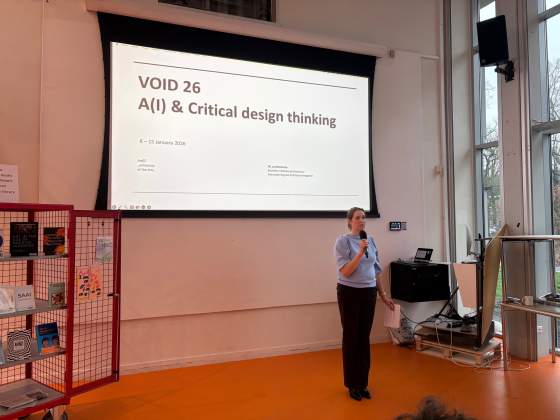
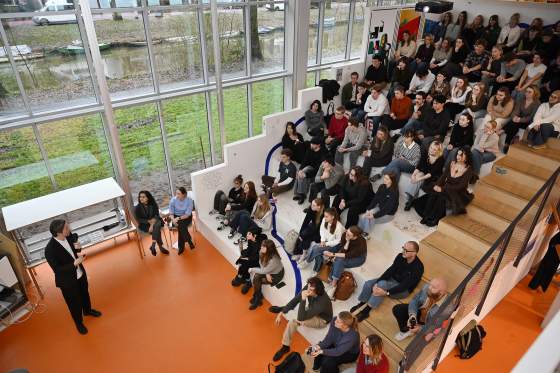
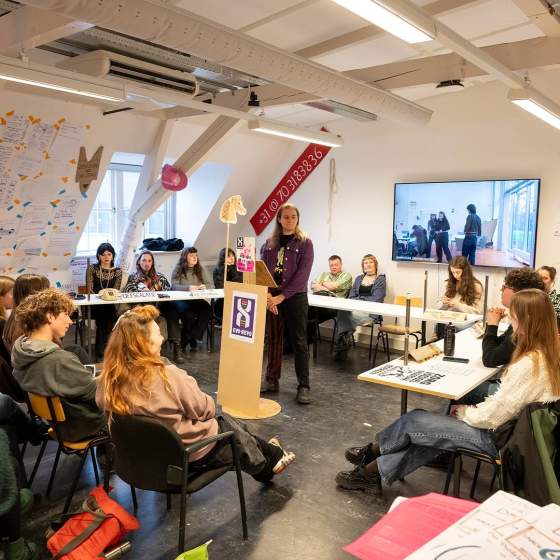
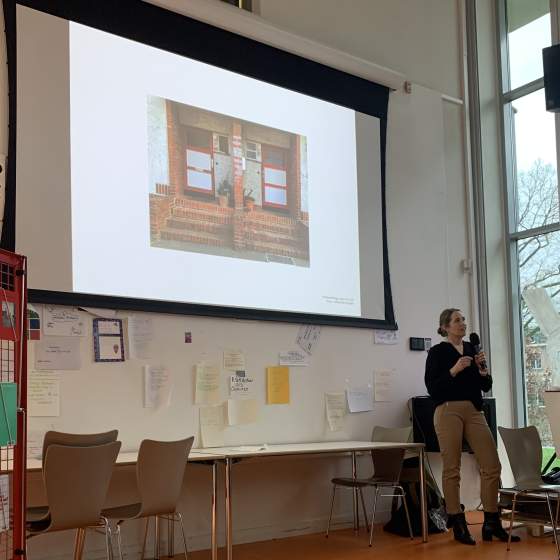
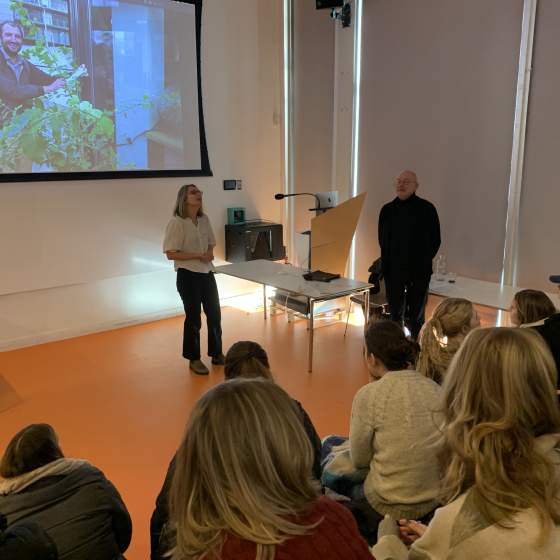
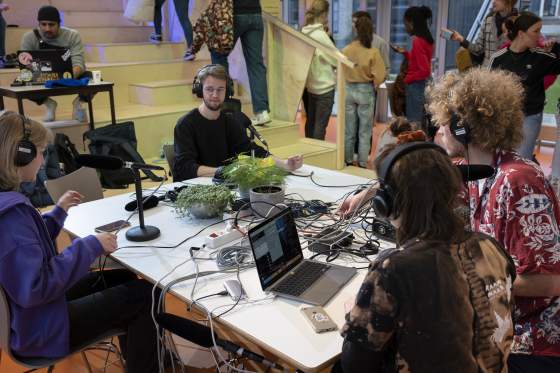
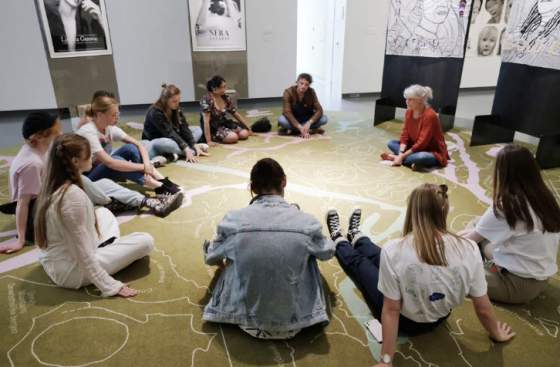
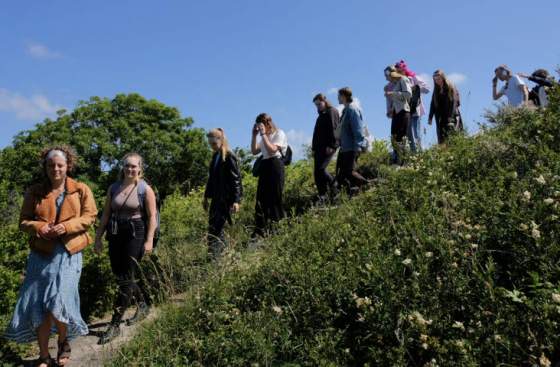
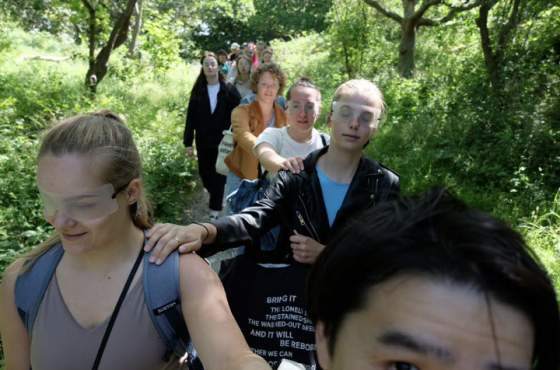
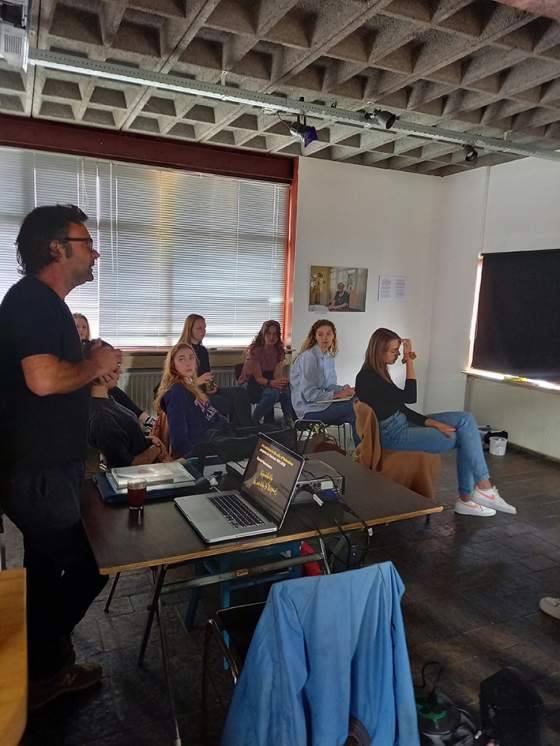
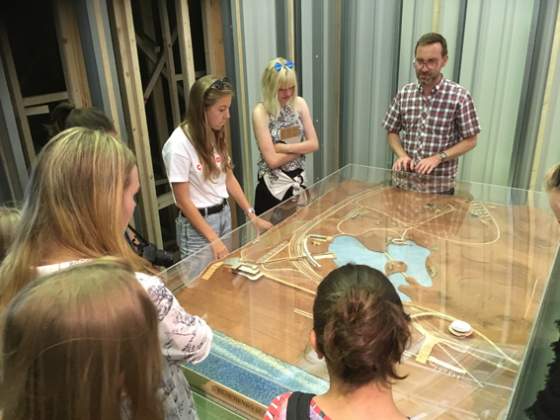
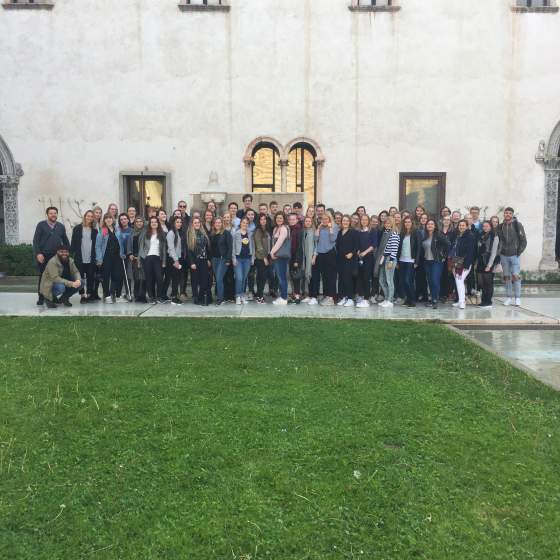
VOID 26 brought together four guest tutors from diverse disciplines, each experienced in generative AI and critical reflection. They challenged Interior architecture students to push the limits of their critical design thinking and explore the implications of generative AI in their field. The workshop questioned when and how critical thinking is compromised when interpretation is delegated to AI, and how these tools can be used to deepen understanding rather than replace it.
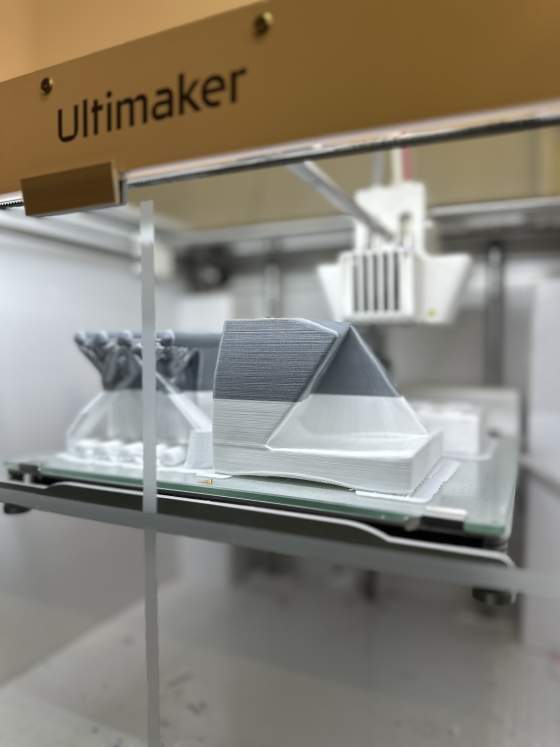
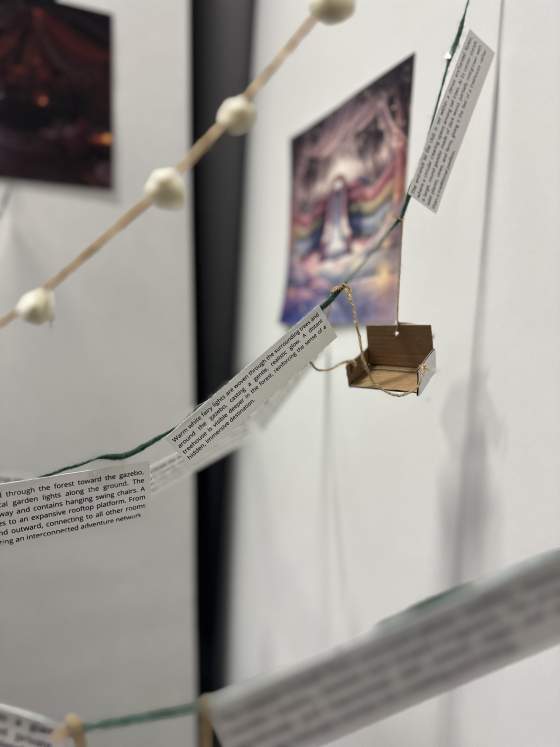
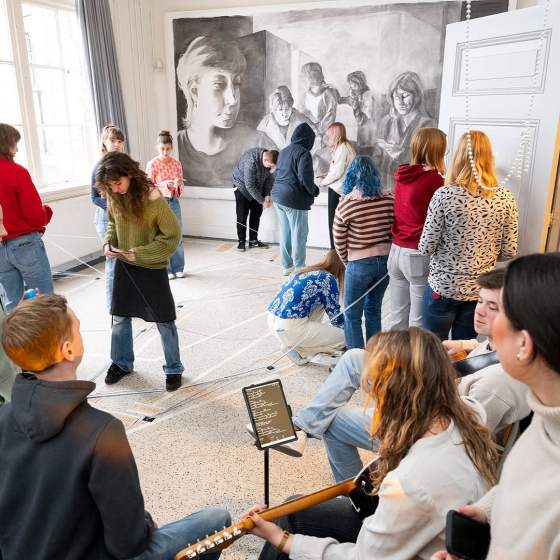
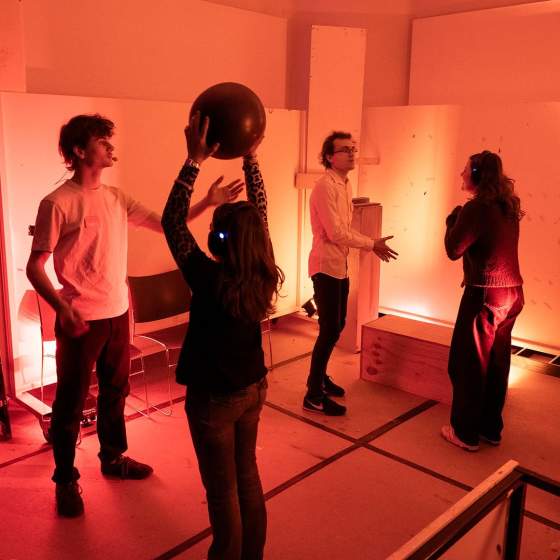
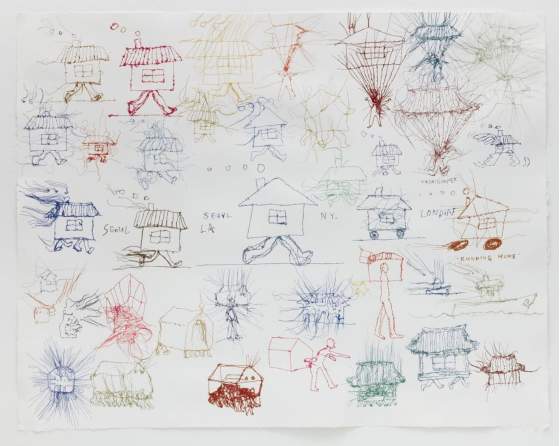
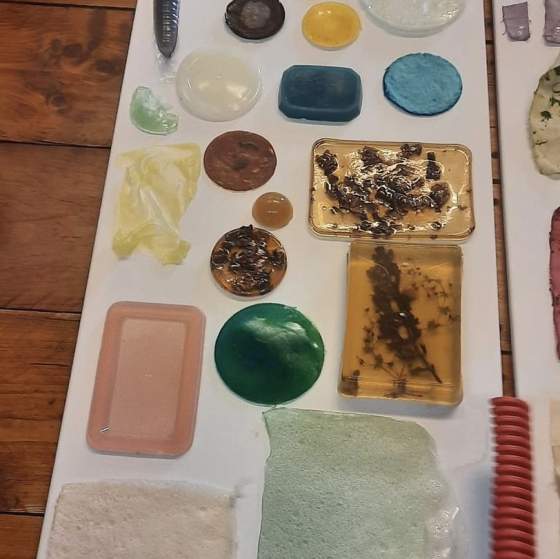
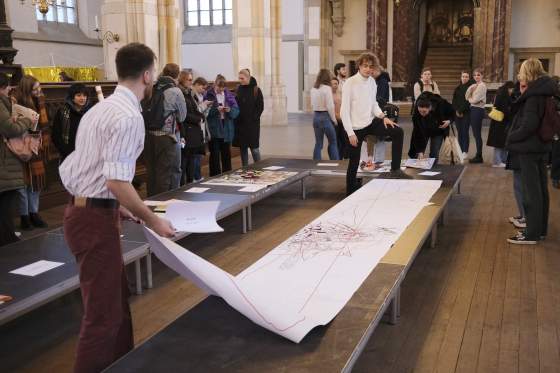
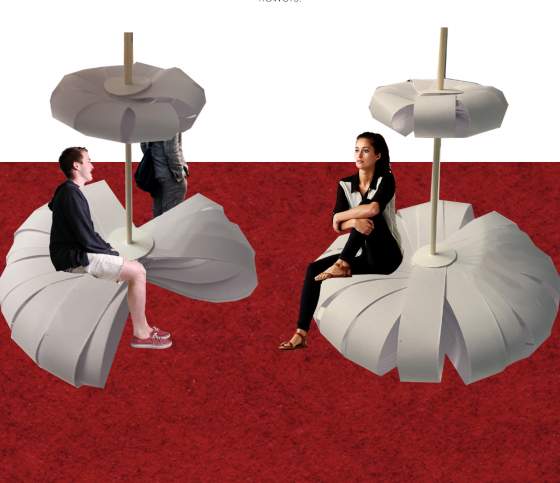
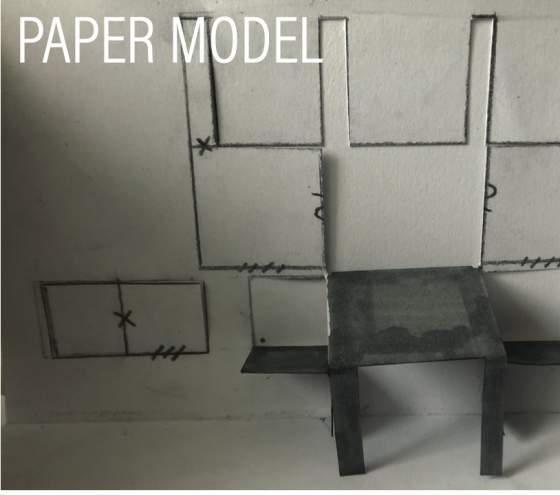
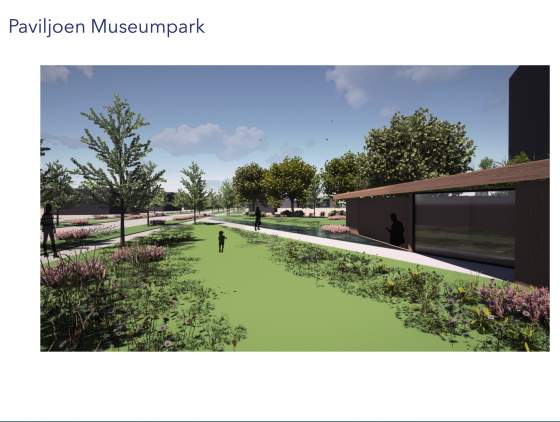
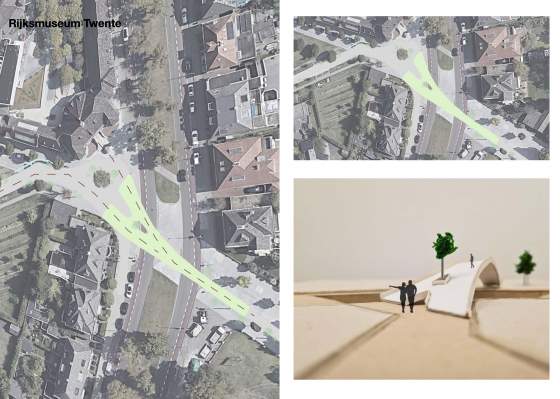
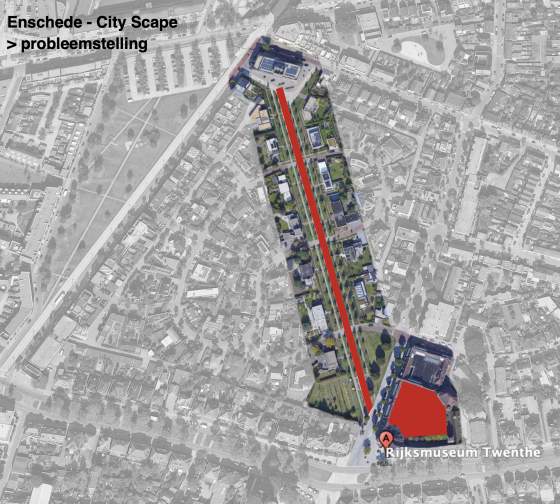
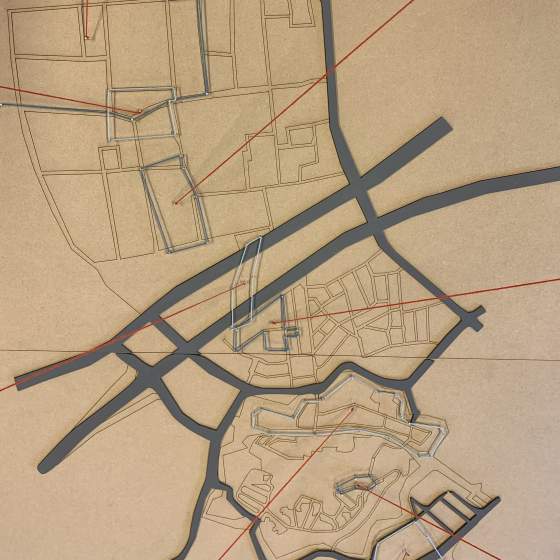
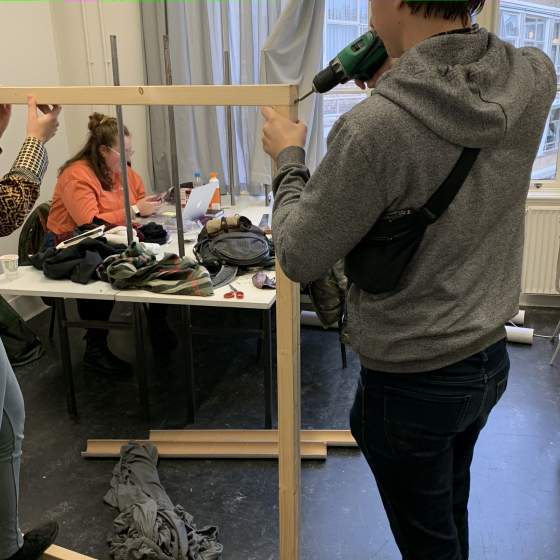
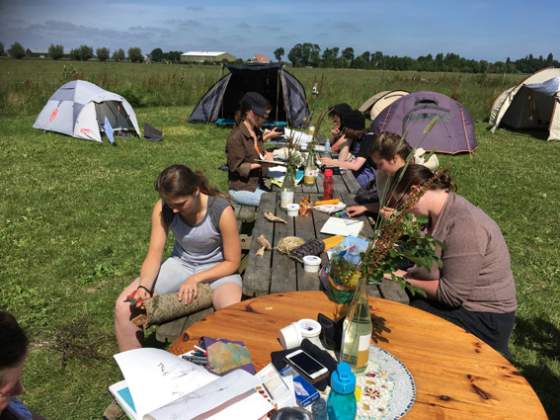
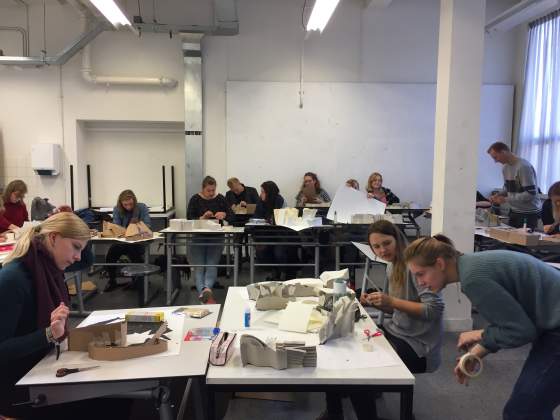
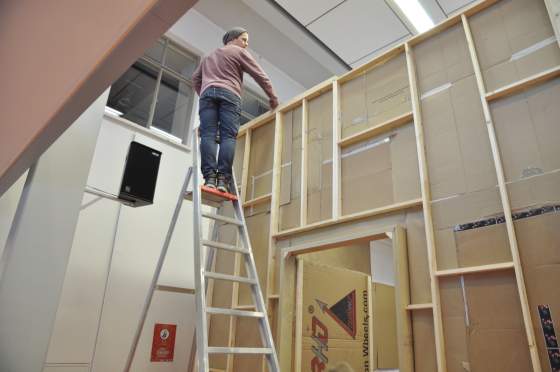
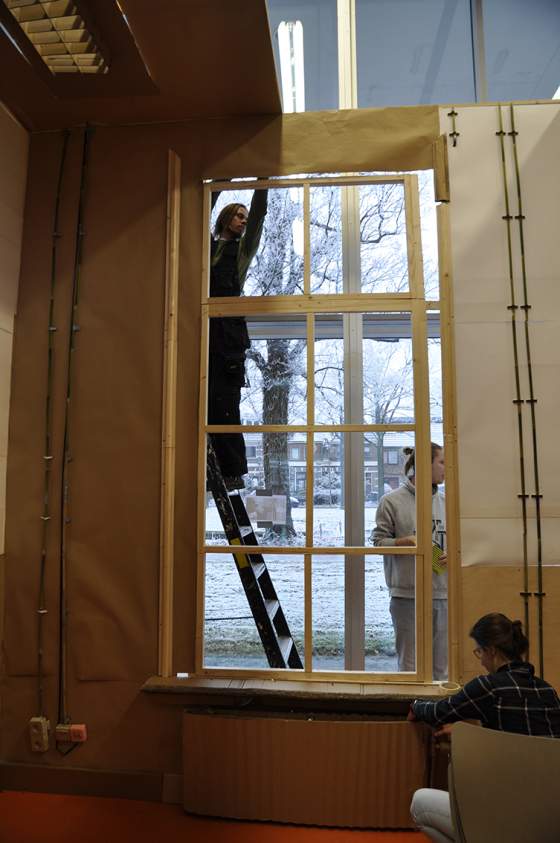
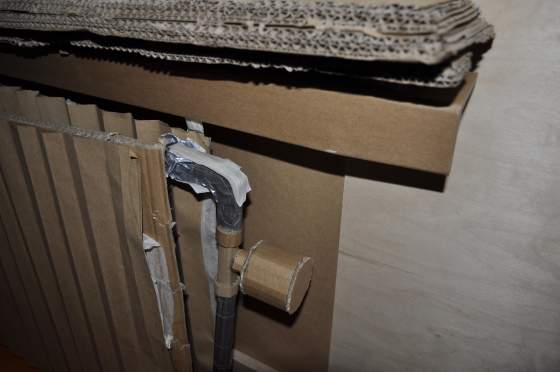
Students and tutors explored how architectural storytelling, supported by AI tools like large language models and diffusion models, can drive design. Narratives were crafted and translated into spatial concepts, which students then reinterpreted using traditional methods—hand drawings, collages, plans, and physical models. The workshop revealed a tension: while students felt a loss of authorship when using AI, they also discovered they could reclaim it through analogue, hands-on practices that emphasise materiality and personal interpretation.
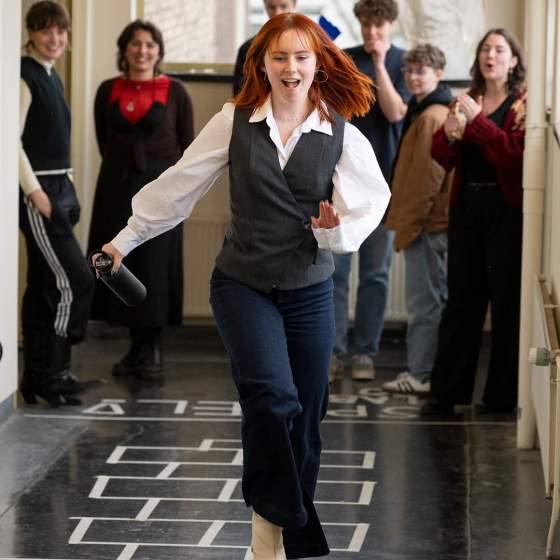
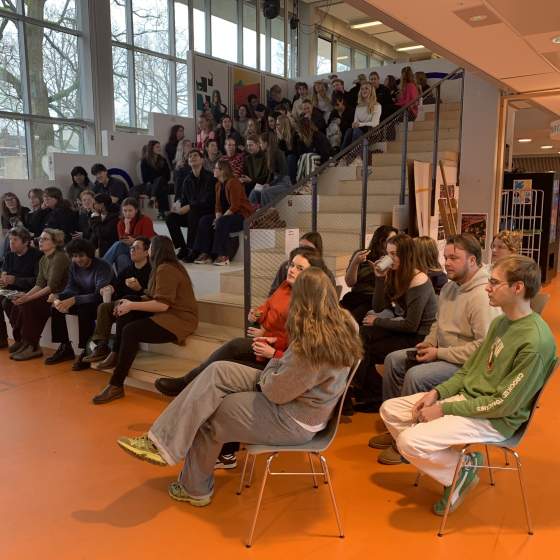
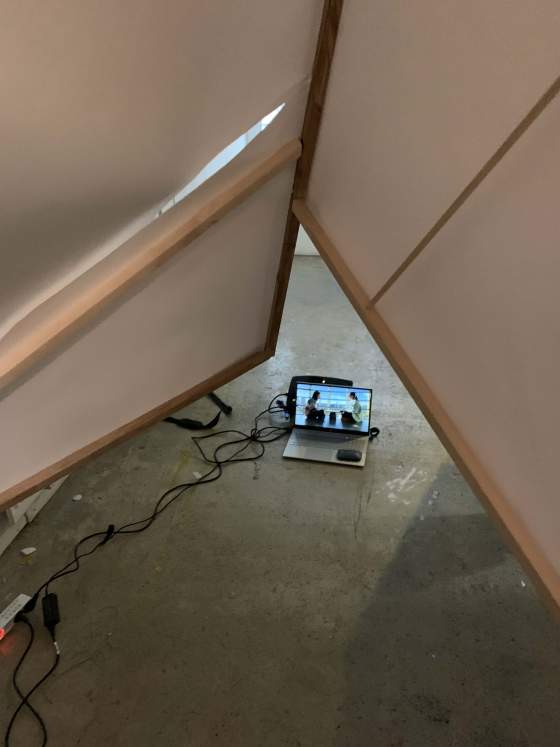
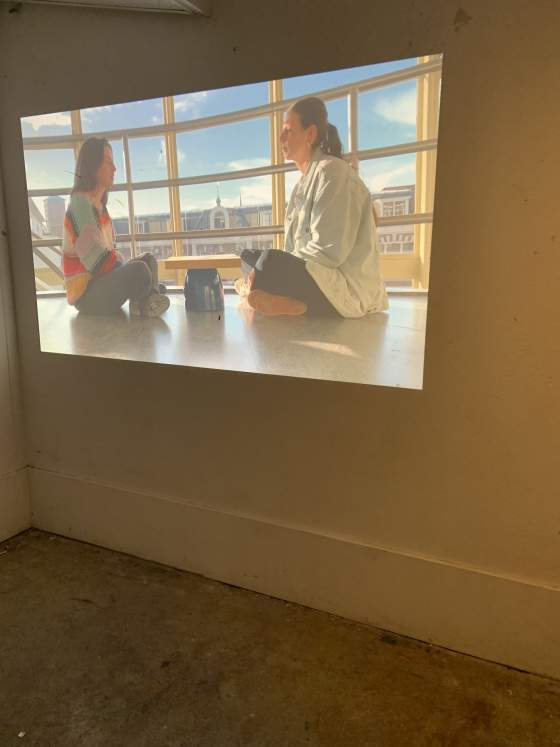
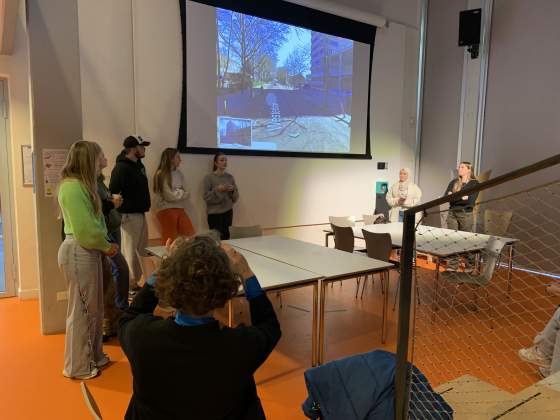
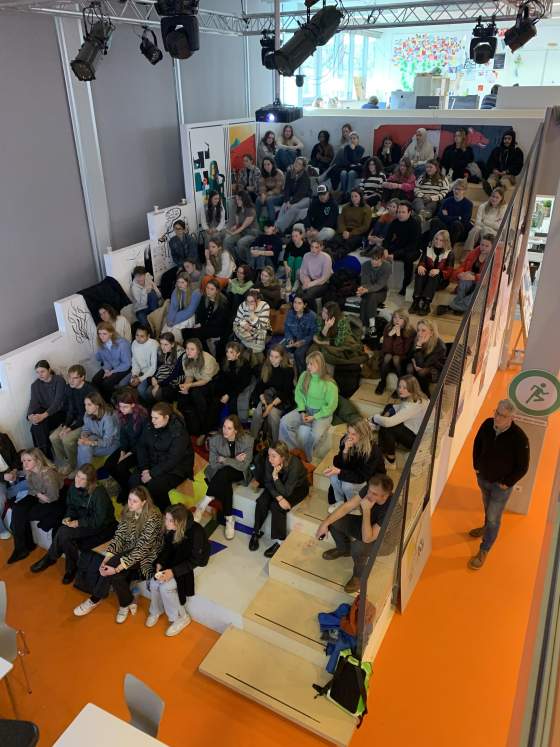
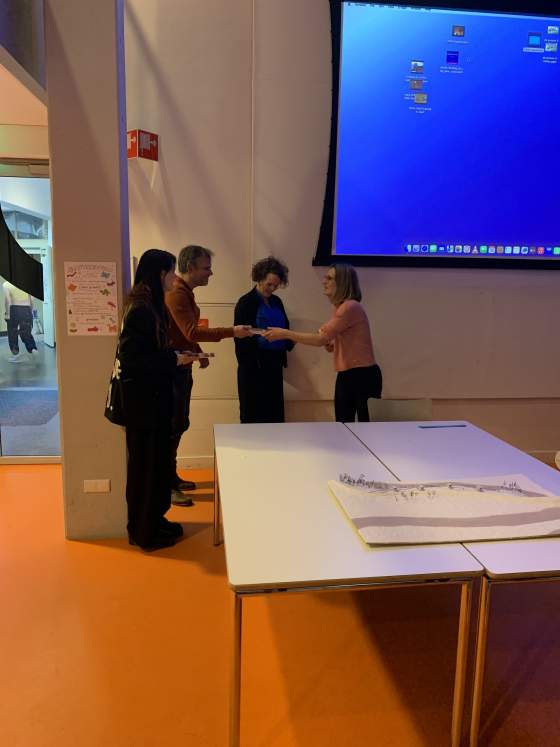
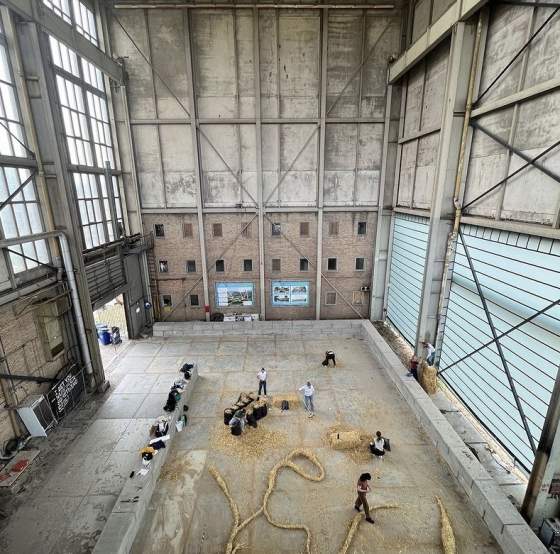
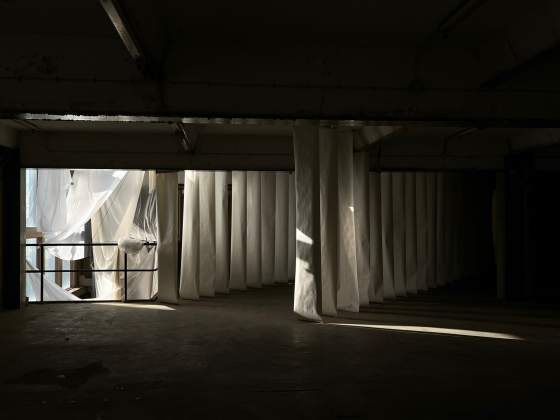
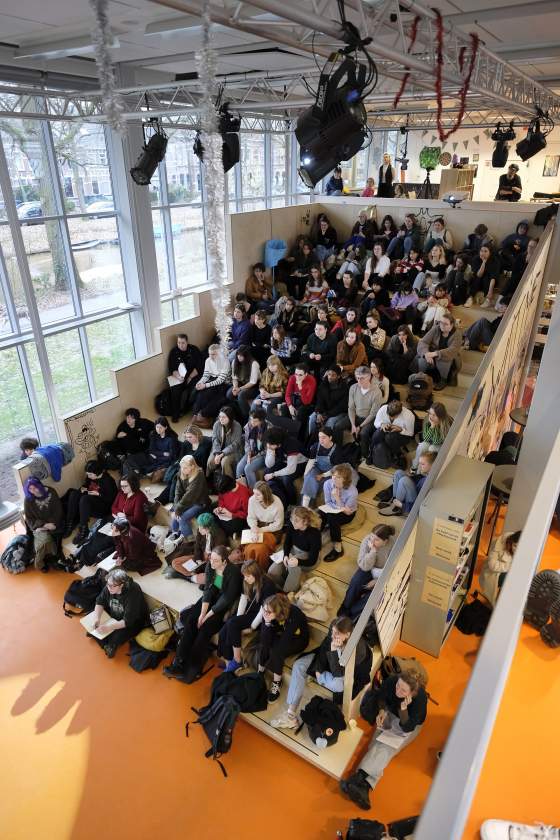
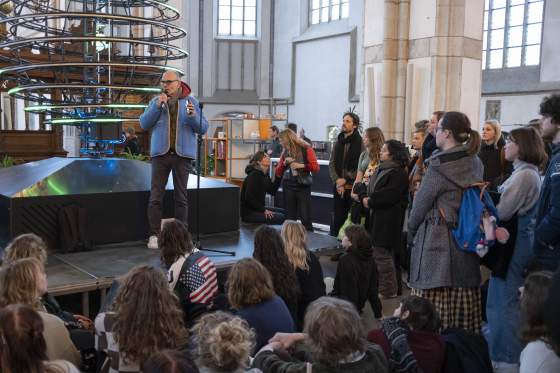
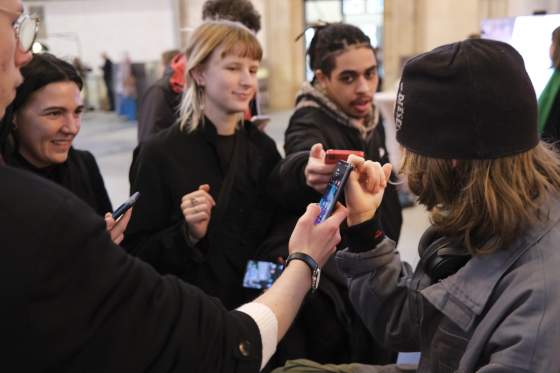
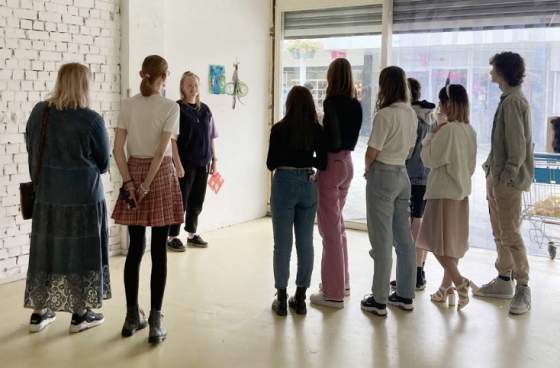
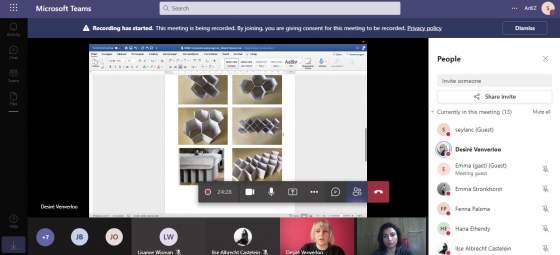
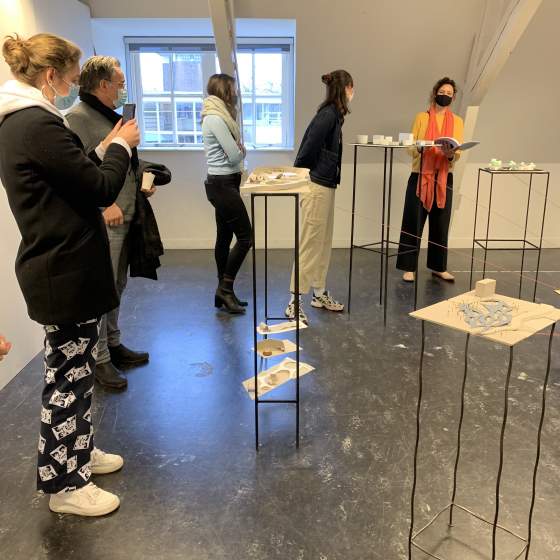
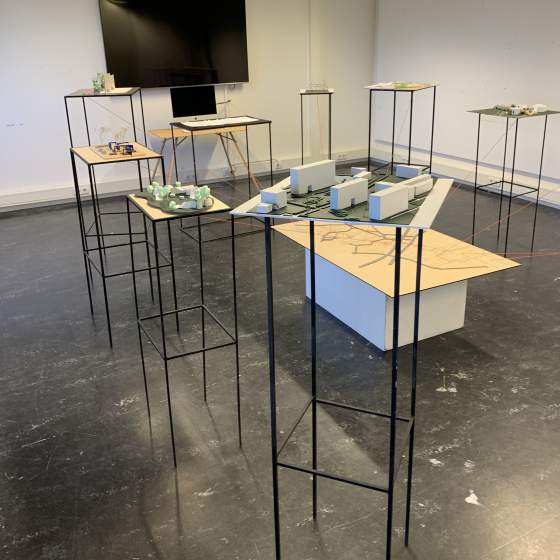
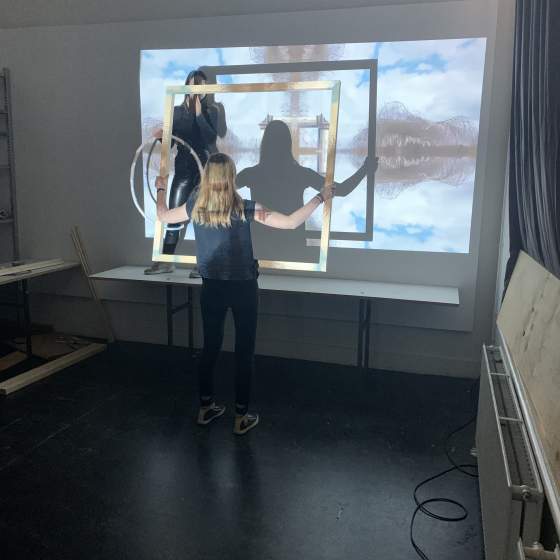
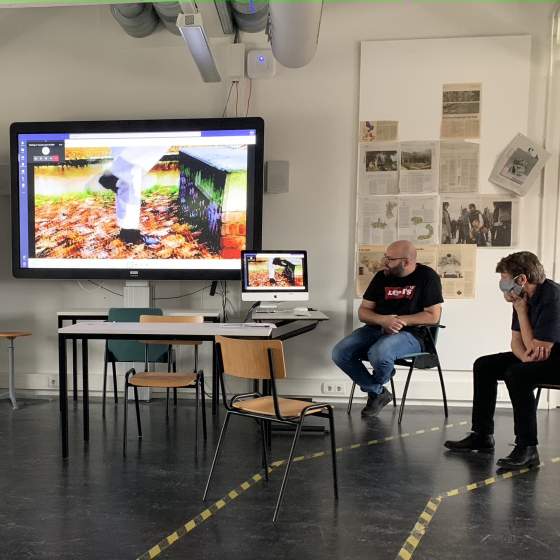
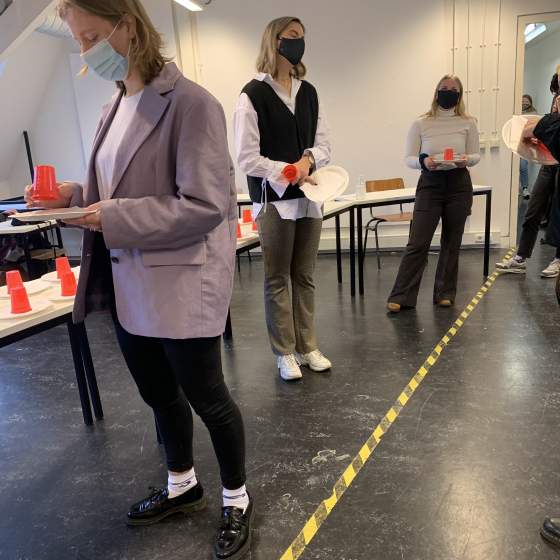
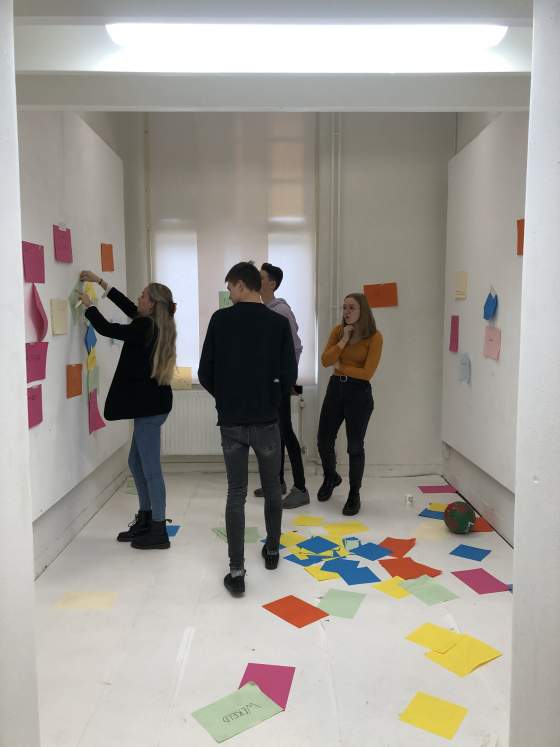
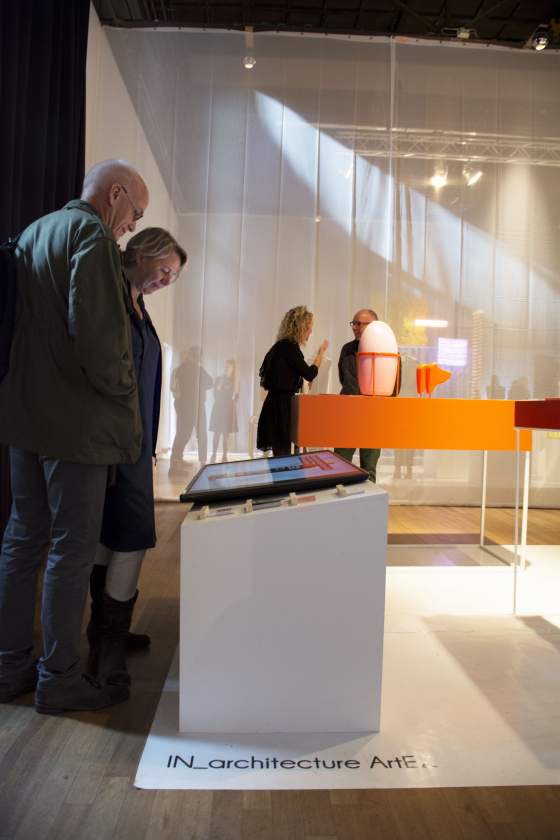
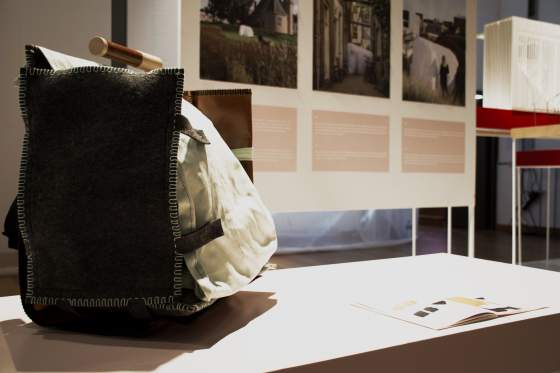
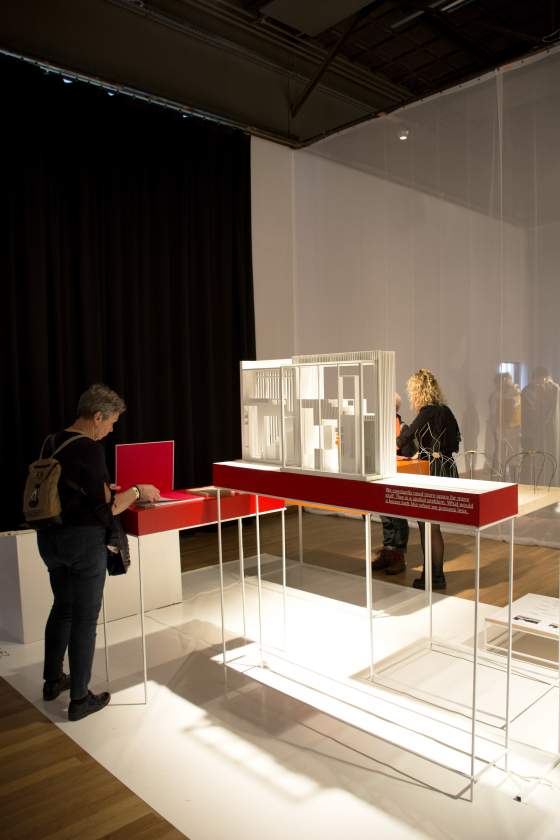
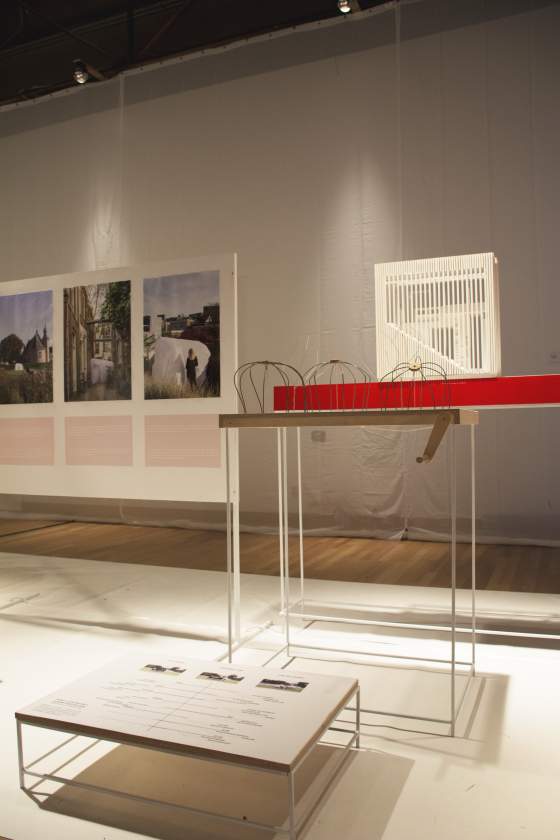
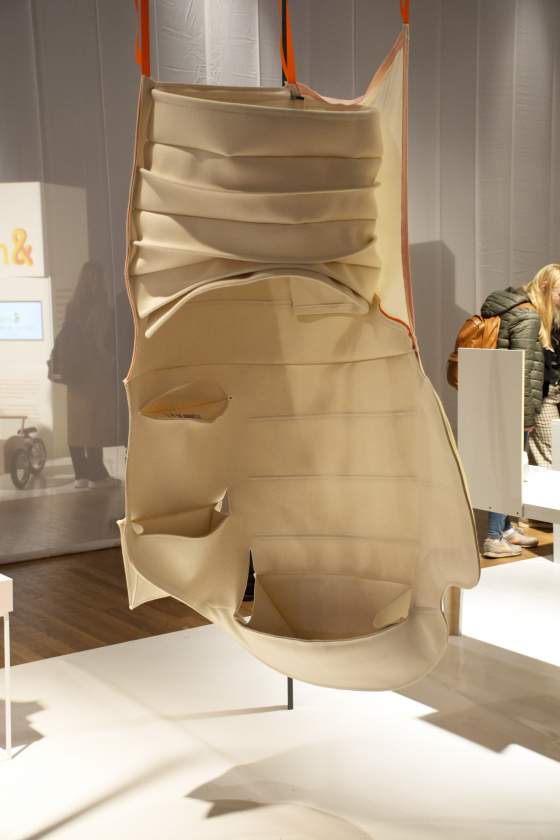
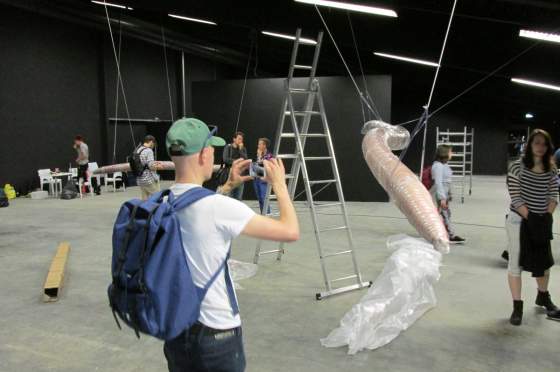
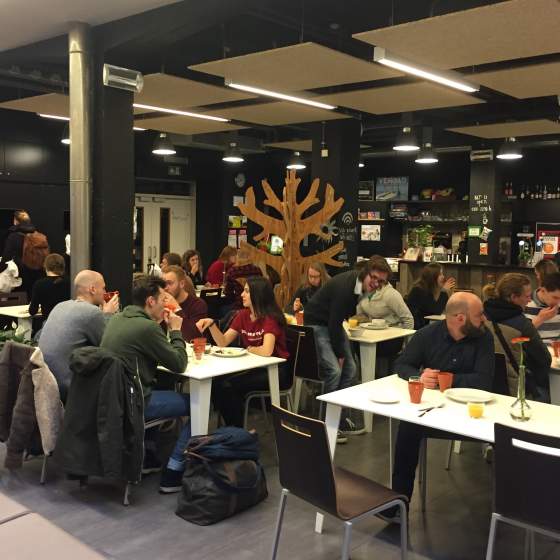
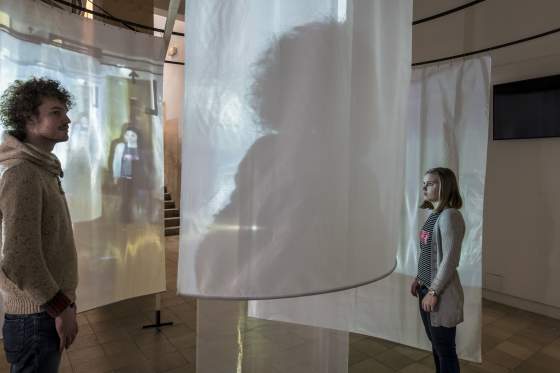
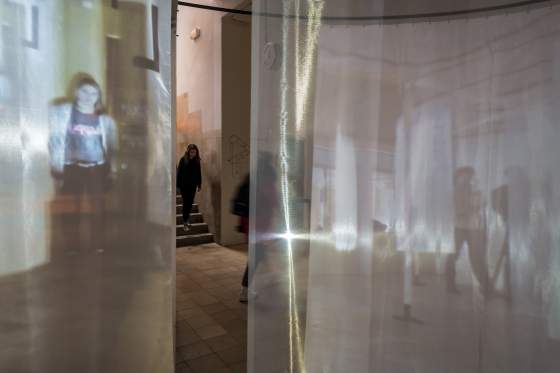
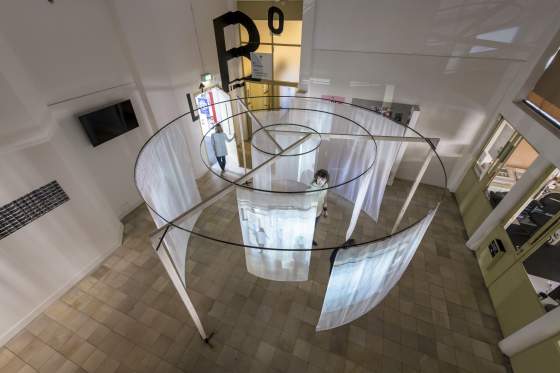
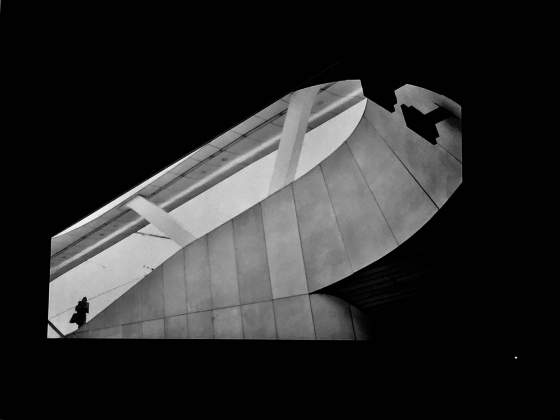
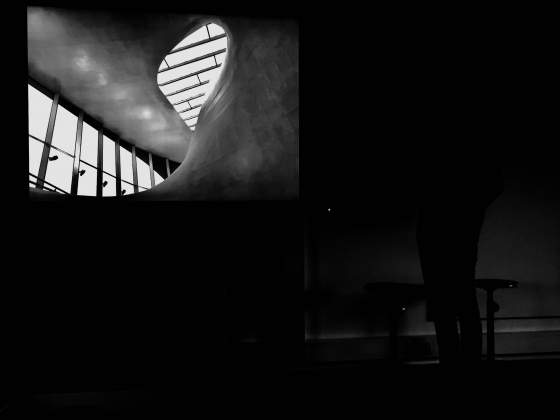
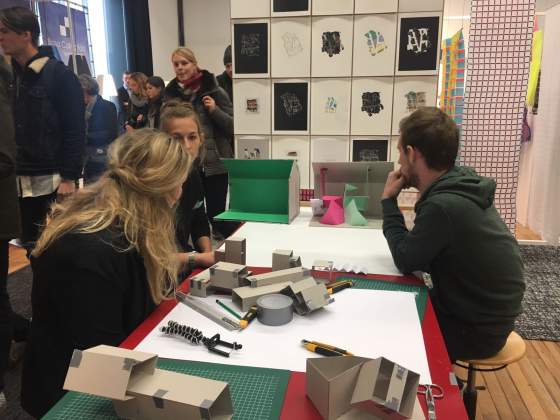
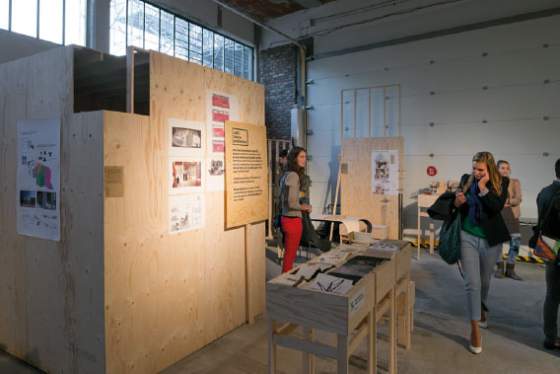
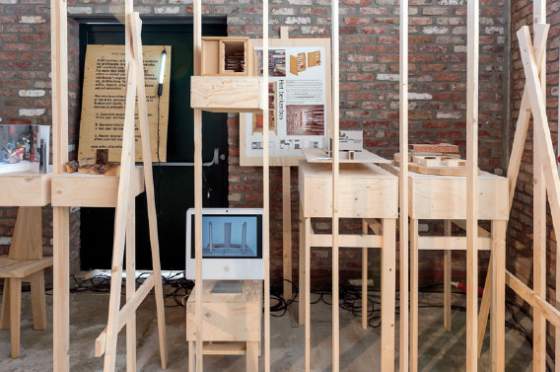
At the end of VOID 26, students presented their work in various formats, models, clips, drawings, and iterative AI experiments. The focus was on the process of making and reflecting with AI, rather than the outcome. The event concluded with a canteen discussion, where students, guest tutors, and IN_ tutors from ArtEZ shared their fears and opportunities regarding generative AI’s impact on their field.
Guest Tutors:
Thomas Nelissen, Stefan Prins, Elien Vissers-Similon, Elena Zaghis